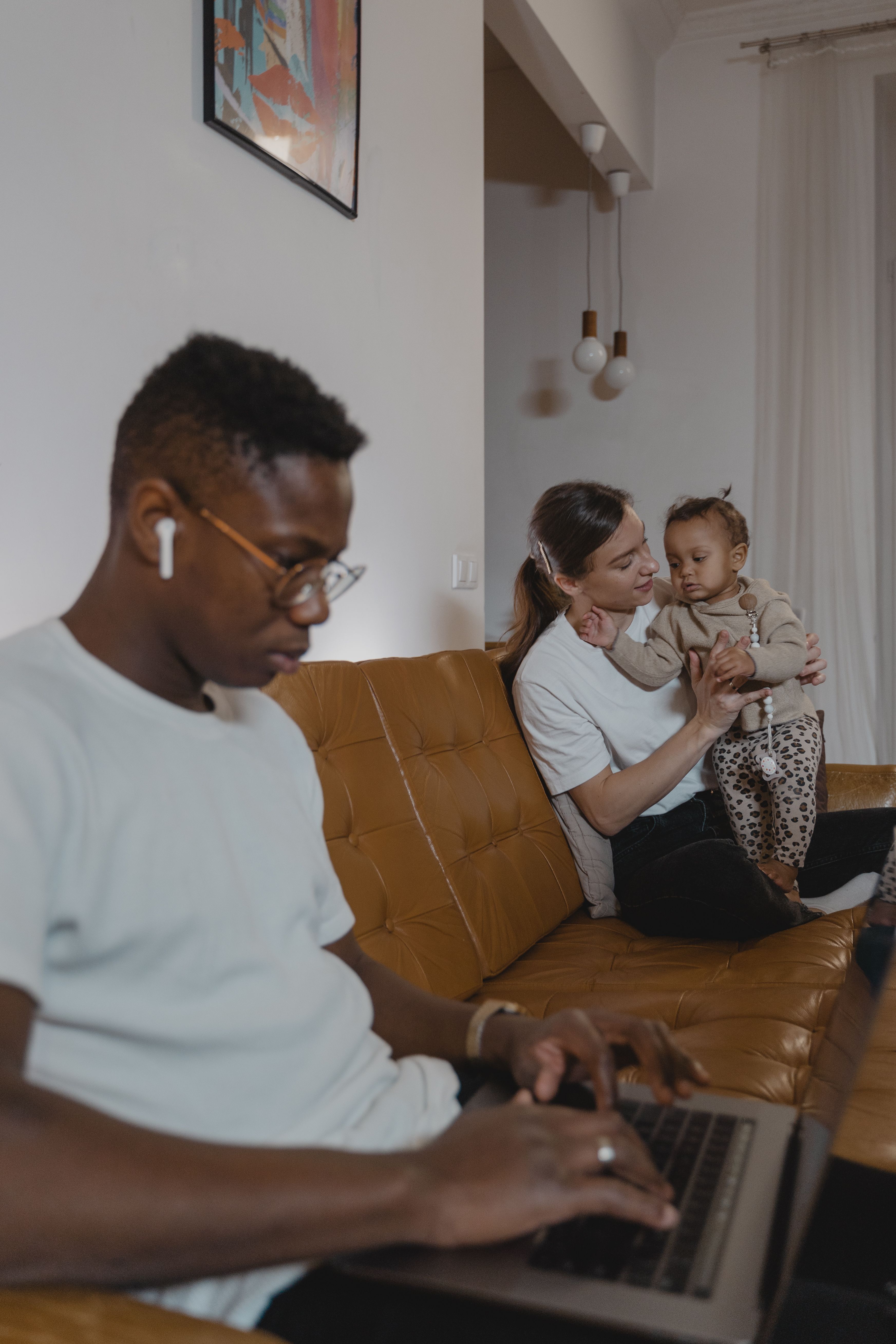
In the world we live in today, many adults, especially those navigating work responsibilities and personal responsibilities that sometimes even extend to families, are familiar with or have heard about the words work-life balance. However, when we take a minute to think about the concept, we start to divide.
Before we go far, let’s first agree on a meaning. In the phrase "work-life balance," life stands for everything outside our jobs: our health, our families, friends, rest, and hobbies.
When thinking about the concept, some believe in it and actively pursue it. Some think it is a myth and get frustrated trying to achieve it without success. Then there is another category: those who do not really think about it. They do what needs to be done and live day by day, possibly feeling, at the back of their minds, that having the time to even think about work-life balance is a luxury; there could even be other categories. Do any of the above resonate with you?
Those varying experiences are what probably drove many debates on the subject and led to the evolution of the phrase from work-life balance to work-life harmony. The shift moves the focus from things that need to be distinct and equal to things that go together, and where we don’t measure the amount put into each. It makes the target attainable in certain ways, because instead of aiming to start work at 9 a.m. and close at 5 p.m. with the guilt that comes from interruptions for personal reasons in between or unfinished tasks that demand more hours, the new target recognizes who you are and what you have. It acknowledges that we need and have both work and personal and family life, and you learn to have them work in alignment, not against each other.
Harmony allows the different parts of our lives to work together, and take different amounts of space at different times on a need basis, without completely losing sight of either.
Work-life harmony is something worth pursuing, even during seasons that do not look harmonious at all. There are times we want to grow professionally, or our targets are much higher than what we feel equipped for, and work demands more of us for a while; at other times, family or our own wellbeing may need to take priority. Because we have been too absent and our families or our bodies are claiming. The goal is not to give everything equal attention all the time, but to notice when something important has been left unattended for too long.
Some of what makes this process worthwhile is knowing that in the work-life harmony journey, there is beauty in the attempt and in the process. Those family dinners, even when they happen only once or twice a week, count. The moments we manage to be present count. That project we work on slowly but steadily, even when no one is paying for it yet, or when we question whether it is a waste of time, counts too. There is peace in knowing that you did all you could with the cards you had, even before you get the results you wish for.
Most adults will, at some point, find themselves needing work-life harmony because the demands are many. Hence, the emphasis on the concept is simply so that we do not forget that we need both work and life, so that when one side starts getting neglected, there are reminders, even outside of ourselves, to revive it.
In our everyday living category, we'll spend a lot of time unfolding ways to have both: exchanging what it takes, reflecting on what works, exploring tools, and encouraging one another along the way. We invite you to be part of those conversations!
Work-life harmony is about continuing to make room for the parts of life that matter, even when the amount of room available changes.
So, the way we see it, the work-life balance concept is still debatable, but work-life harmony? It is a thing.
May we all be on the side of those pursuing it!
To your wellbeing!